
As part of our ‘love your library’ celebrations we’d love to hear what the library means to you and your special memories of Stirchley Library. You can share your thoughts and memories with us via the comments form here.
As part of our ‘love your library’ celebrations we’d love to hear what the library means to you and your special memories of Stirchley Library. You can share your thoughts and memories with us via the comments form here.
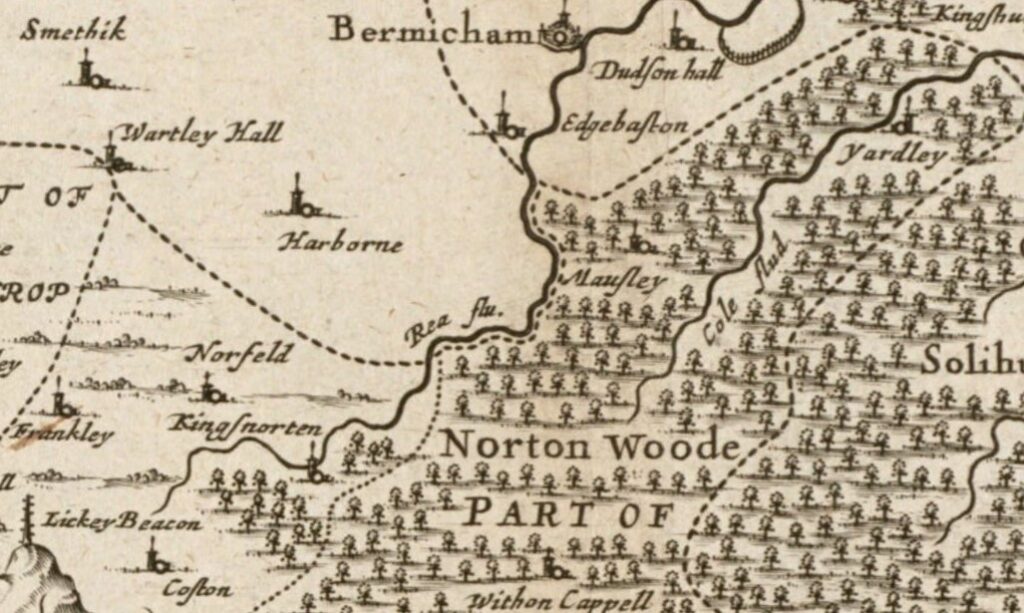
Stirchley is only a relatively recent addition to any map of the area. The earliest known map showing Stirchley as a distinct place is from 1814 (see below), where it’s spelt “Straitland Street”, and there was (and is) an incredibly straight piece of road which leads from the settlement of “Straitland Street” down to Breedon Cross. This road is thought, with some debate, to be a section of the Roman road of Icknield or Ryknield Street.
An early …

Save the date! This half term on Thursday 15th February Friends of Stirchley Library will be showing our wonderful Stirchley Library some love with a day of activities, including a storytelling and craft activity from Stirchley Art Room in the afternoon. More details to follow. We’re still building and planning the day, so if you would like to get involved please get in touch!
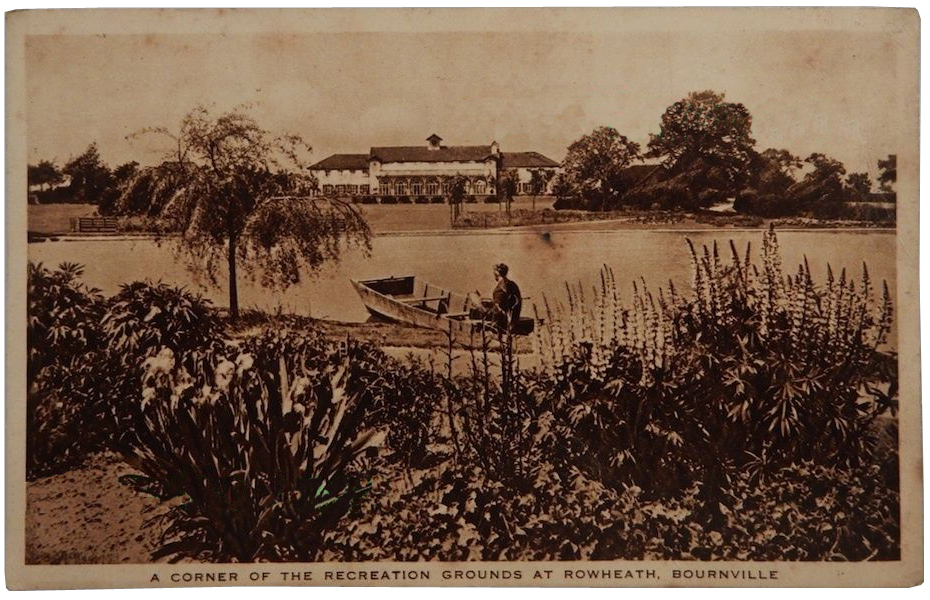
Today, Rowheath is a community-based organisation set around Rowheath Pavilion Church. At the centre is the Rowheath Pavilion building surrounded by green space and sports facilities, opened in July 1924. Before the area around became built up, Rowheath was a piece of farmland between Rowheath Farm, the farm building situated on Oak Farm Road, and Haygreen Farm, on Haygreen Lane. The Rowheath land had an old public footway running north-east through it, which later became Heath Road, and another …

Roman roads of Britain.
Place names can tell us a lot about the history of where we live. They can tell us what a place looked like in the past, how it was used, who lived there, or important events which happened there. Place names can reveal layers of history going back hundreds, if not thousands, of years. Many permanent landmarks, such as rivers or hills or have Celtic names, and help us to understand that although our landscape changes, the land we walk on has been walked on for generations. Place names help to bring the past to life.…